Spinning Straw into Gold
A touch of humor, a little sarcasm, some laughing at the seriousness of ourselves, and appreciation of when we endeavor to be the best teacher we can be. . .

Services
What We Do
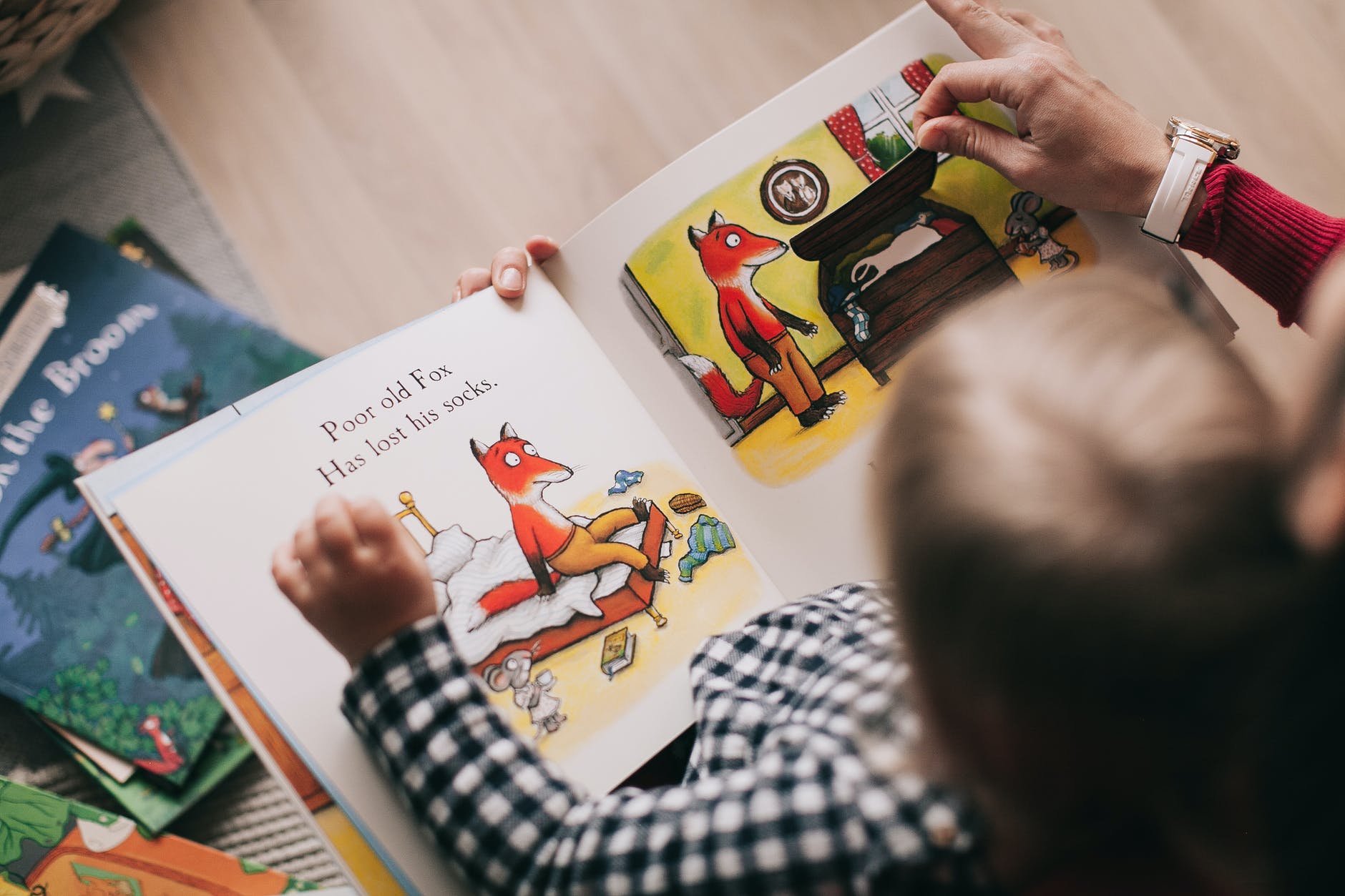
Help teachers speak to the hearts and minds of their students.
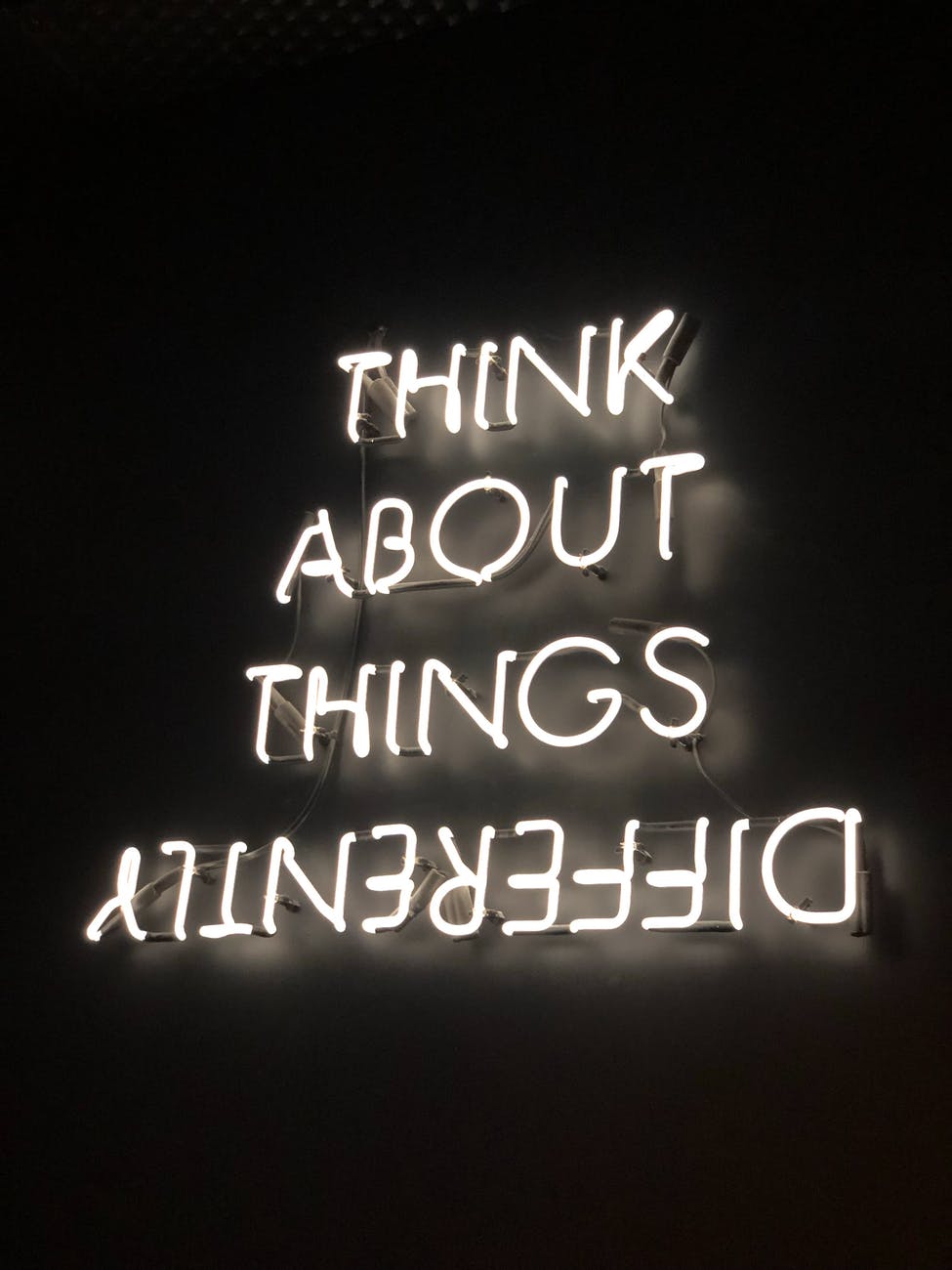
Look at education from a different direction. Student to teacher instead of teacher to student.

Help teachers find their vision for being an educator – help them reach every student.

Where all good stories start –
Once upon a time. . .
Spinning Straw into Gold
Once upon a time in a schoolhouse not too far away there lived some students who did not know how to read and they believed they could not learn how to read better.
And there lived a reading teacher (puny and lacking in experience) who believed they could.
Also there lived other teachers, the principal and others (READ: classmates) who believed that these students could never learn to read better. They did not keep their opinions a secret.
One day the NLRB (READ: Never Learn to Read Better) students came to the PALE (READ: Puny and Lacking in Experience) reading teacher and said they had wanted to be in a classroom play but they weren’t picked for parts. The PALE teacher heard their story with fury mounting inside her. This was not fair. All students can learn from being in a class play. She thought about going to the classroom teacher and complaining but decided this wasn’t the way to win friends and influence people.
“Well,” fumed the PALE teacher, “a play might just be the thing.”*
The non-believers said this was a bad idea, a play is not the thing for these students. Learning lines is too difficult for NLRB’s; staying attentive to the play, waiting in the wings for cues are impossible feats for these students.
But the PALE teacher didn’t listen. She looked at many costly play scripts and found most to have complicated lines and intricate words too challenging right now for the NLRB students.
But the PALE teacher did not give up.
The NLRB students and the PALE teacher had been reading nursery rhymes from books the teacher made from copy paper and brightly colored construction paper the students had decorated. As the NLRB students read the nursery rhymes they told the teacher that they also liked fairy tales. However, they really liked to play “dress up” and to pretend to be a princess or a knight or even a frog.
As the PALE teacher thought about the students’ interests in “dress-up” and pretending, she wondered if writing their own plays would help them be able to put on a play and in the end help them to be better readers. And student written plays could be made from copy paper and brightly colored construction paper.
The non-believers were skeptical. The NLRB students and the PALE teacher, however, were caught up in their plans to put on a play. The students and the teacher set about adapting stories from the fairy tale book into plays. This process held some surprises for the young teacher.
They first started out by looking at a lot of different fairy tales.
“What might a princess say to a frog?”
“How might the frog answer?”
“What does a frog sound like?”
“What might a Miller’s Daughter wear?”
“What is a miller?”
Obviously there were a lot of questions to be answered. It soon became evident that they needed to choose one story. After much discussion they decided to focus all their energy on a play about Rumpelstiltskin and the Miller’s Daughter.
“How do you spell Rumpelstiltskin?” asked one playwright.
“And, why do you need to know how to spell such a difficult word?” the teacher asked.
“Well,” said the playwright, “the Miller’s Daughter can’t say her lines if she doesn’t know what word I’ve written down.” Obviously, the students did know that words have an accepted spelling even if they did not always see a reason to learn what that spelling is.
The NLRB students liked the fact that they could now all spell Rumpelstiltskin. They doubted that most other students in their grade could.
The students pretended to be the characters and wrote their dialogue.
“If you can guess my name,” said Rumplestiltskin to the Miller’s Daughter, “I will bring back your first born child.” Obviously, reading the script was just reading ‘talk written down.’
“Does the Miller’s Daughter spin the straw into gold before Rumpelstiltskin comes or after?” asked another student.
“Let’s look in the fairy tale book to find out,” replied the teacher.
“Hey, wait, “said the student playing Rumpelstiltskin, “I can’t talk to the Miller’s Daughter. I’m still outside the castle. No one told me when to go inside.”
“Here, we’ll just write that in the playbook that you’re supposed to come inside the castle here,” said the student playing the Miller’s Daughter. She didn’t want Rumpelstiltskin to forget to come in and leave her on stage spinning straw forever. Obviously, there needed to be some order to the actions taking place so that everyone could figure out what was going on.
The preparations were numerous. The NLRB students created stage directions that made sense to the actors and to the audience. They created play bills that identified actors and actresses. They, along with the PALE teacher, consulted the principal to schedule the event. The non-believing principal, now believing, scheduled the performance for the whole school.
The opening day was near. Lines were written and memorized. Costumes were designed and fitted. Stage directions were written and rewritten. Props were built and painted. Makeup was designed. One puzzle remained. What to do about the part in the play where the Miller’s Daughter turns the straw into gold? What to do to make this enchanting, if not believable, to the audience?
“We need gold to make this work,” lamented one student. Other students argued that it couldn’t be done. Some said there had to be a way. As the final day approached the students and the young teacher were mulling over a lot of different ideas.
One student said, “Maybe we could just make my sister lay down on top of the straw with her prom dress on.”
Everyone asked, “What do you mean?”
“Well,” answered the student, “her dress is made from this gold, shiny stuff.”
Of course—gold lamè fabric was the answer. A quick trip to the fabric store and they had “gold” for the spinning Miller’s Daughter.
Staging the magic appearance of the gold was intricate. Two students carefully folded the fabric and placed it behind the bale of straw keeping it hidden from the audience and then backed away into the stage wings. At the climax of the play, when Rumpelstiltskin evilly challenged the Miller’s Daughter, she began to spin. As she spun the lights went OFF (the two students with trembling excitement placed the gold lamè over the bale of straw and hurriedly backed away) and then ON.
Lo and behold, magic had occurred. The straw had turned to gold.
The audience clapped vigorously.
There were those in the school that day that said the NLRB students did indeed learn to read and quite well. They were playwrights and actors and actresses and stage designers; they learned lines, they stayed attentive, they waited for cues. The play is the thing for these students.* And more than straw was turned into gold that day.
P.S. And the NLRB (READ: Reading Students) and their PALE (READ: Teacher) lived happily ever after or at least until the end of the school year.
*Bill Shakespeare’s A Midsummer Night’s Dream.
| Have you ever felt that your lesson wasn’t really reaching all of the students in your class? | Have you ever felt that your lesson wasn’t really reaching all of the students in your class? | What scaffolding or modifications of the lesson worked for you? |
 Spinning Straw into Gold
Leave a comment